Planning a trip to Cusco doesn't have to be complicated. Many people feel overwhelmed by the sheer number of tours, places to visit, and recommendations they find online, ending up with more questions than answers. However, organizing a great experience is much easier when you understand three key aspects: the weather, the order of your itinerary, and some practical tips for a better trip.
This guide is designed to help you plan a realistic, comfortable, and well-structured trip. Whether you're traveling for just a few days or have more time to enjoy Cusco and its surroundings, you'll find useful information here to help you make better decisions and get the most out of your stay.
The weather in Cusco: the first thing you should know before traveling
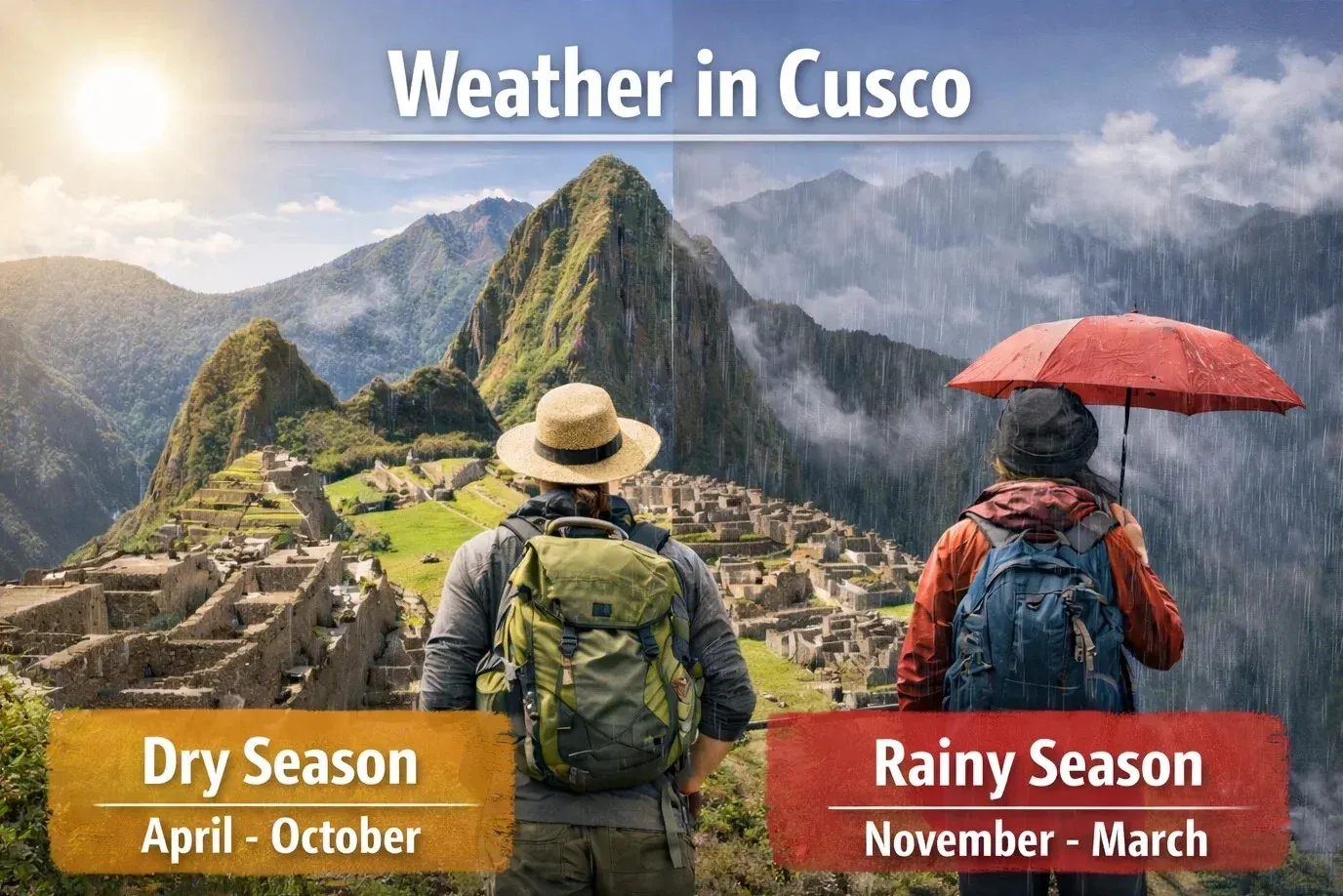
The weather in Cusco can change rapidly throughout the day. It's possible to go from a sunny morning to a rainy or windy afternoon in just a few hours. Even so, the year is clearly divided into two seasons: the rainy season, which runs from November to March, and the dry season, which generally extends from April to October.
Understanding these variations is essential for choosing your travel dates, packing your bags, and organizing your activities with greater peace of mind.
Dry and Rainy Seasons in Cusco
Cusco has two distinct seasons, each influencing the traveler's experience in its own way. During the dry season, the days are generally sunnier, with clear skies and better conditions for hiking, excursions, and outdoor activities. In contrast, during the rainy season, the landscape becomes greener, cooler, and more dynamic.
Neither season is inherently bad. It all depends on the type of trip you want to experience. The important thing is to understand the characteristics of each season and plan your itinerary accordingly.
What to pack for Cusco: Dressing in layers is the best option
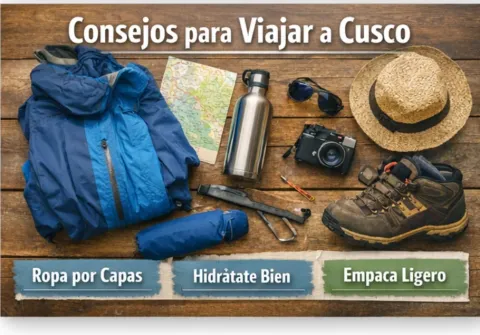
One of the most common mistakes when preparing for a trip to Cusco is not considering that the temperature can fluctuate considerably in a single day. Therefore, the best advice is to dress in layers. Packing a light jacket, a waterproof garment, and comfortable clothing will give you much more flexibility than packing excessively heavy clothing. This way, you can easily adapt to the morning chill, the midday sun, and the drop in temperature in the afternoon or evening.
How to Prevent the Weather from Ruining Your Trip
Sometimes, the fear of rain or cold weather causes many people to postpone planning their trip. But with good planning, the weather ceases to be a problem and becomes part of the experience. It's best to review which excursions are best to do first, which are more comfortable depending on the season, and always leave a little room to adapt to unexpected changes. When the itinerary is well thought out, traveling through Cusco becomes much easier and more enjoyable.

How to plan a good route in Cusco without getting exhausted
One of the most important aspects of planning a trip to Cusco is the order of your itinerary. It's not just about choosing the places you want to visit, but about organizing them logically to make the most of your time, conserve energy, and acclimatize to the altitude. A well-planned route can make your experience much more comfortable, balanced, and enjoyable.
Start in Cusco and leave the longer excursions for later
A very effective way to organize your trip is to begin with visits within the city of Cusco and leave the longer tours for the following days. This allows your body to gradually adapt to the altitude, reduces fatigue, and helps you start your trip at a more relaxed pace.
Furthermore, exploring the city first gives you a better cultural and historical context for your destination and allows you to decide more clearly which experiences you want to prioritize later.
Group tours by area and level of difficulty
A good itinerary not only saves time but also improves the overall travel experience. Therefore, it's advisable to group activities according to proximity and level of physical exertion.
If you do several intense tours on consecutive days, the trip can feel more tiring than necessary. On the other hand, when you better distribute the excursions and balance the days of activity, the experience is more harmonious, comfortable, and enjoyable.
Leave free time between transfers and important activities
Traveling better doesn't always mean doing more in less time. Often, an itinerary fails because it's too tight and doesn't leave room for unexpected events, breaks, or transfers that take longer than anticipated. Leaving small gaps between activities allows the plan to breathe and makes the trip feel more relaxed. This is especially important if you're traveling to Cusco for the first time, in a group, with children, or with seniors.
Essential tips for traveling to Cusco comfortably and safely
Besides the weather and the route, there are small details that can make a big difference to your experience. In a destination like Cusco, where altitude and travel are part of the journey, simple habits are often the most important.
Hydration, rest, and light meals: keys to feeling better
During your first few days in Cusco, it's best to get plenty of sleep, stay hydrated, and avoid heavy meals. These choices help your body adapt better and conserve energy for your most important activities.
Although they may seem like basic advice, they often make the difference between a tiring trip and a much more comfortable experience.
Pack only what you need and avoid overloading your luggage
Many people pack too much "just in case" and end up carrying an uncomfortable suitcase throughout their trip. In Cusco, it's usually best to prioritize practicality. Pack comfortable shoes, sunscreen, adaptable clothing, a water bottle, and items that are truly useful for your daily activities. Traveling light makes getting around easier, reduces fatigue, and improves the overall experience.
Having local support can make your trip much easier
While some people prefer to organize everything themselves, having local guidance can save time, answer questions, and prevent common mistakes. A good travel agency or tour advisor can help you choose the best tours, optimize your itinerary, and tailor the experience to your travel style.
When you receive clear and honest support, everything becomes simpler, and you feel supported from the planning stage to the trip itself.
Plan your trip to Cusco with more confidence
If you want to experience Cusco in a comfortable, authentic, and well-organized way, it's best to choose an itinerary that suits your time, interests, and travel style. In many cases, good guidance is worth more than spending hours comparing options without knowing which one is right for you.
If you already have dates or an idea of the type of experience you're looking for, now might be the perfect time to review your options, compare routes, and start planning a trip tailored to your needs.
Frequently Asked Questions about the Weather in Cusco
What is the best time to travel to Cusco?.
Many people prefer the dry season for its clear skies and better conditions for walking, although the best time will depend on the type of trip you're looking for.
Does it rain every day during the rainy season? .
Not necessarily There can be days with intermittent rain as well as sunny spells, so it's best to be prepared and flexible.
What kind of clothing should I pack?.
Layering is the most practical option for adapting to temperature changes throughout the year.
How many days do I need to explore Cusco?
With four or five days, you can enjoy a very complete experience if you plan your route well.
What if I only have three days?
Ideally, you should prioritize the city, a representative excursion, and a main experience that you really want to have, without trying to see everything in a rush.
Is it advisable to do one tour after another?
Not always. It's best to combine activity and rest so that the trip remains comfortable and enjoyable.
What should you pack for Cusco?
Sunscreen, layers of clothing, comfortable shoes, a water bottle, and a light jacket or raincoat.
Is it better to improvise or book in advance?
A combination of both can work, but having a significant part of the trip organized usually makes the experience more comfortable and organized.
When is it a good idea to ask a travel agency for help?
When you want to save time, avoid common mistakes, and have a better-structured itinerary based on your available days and travel style.